

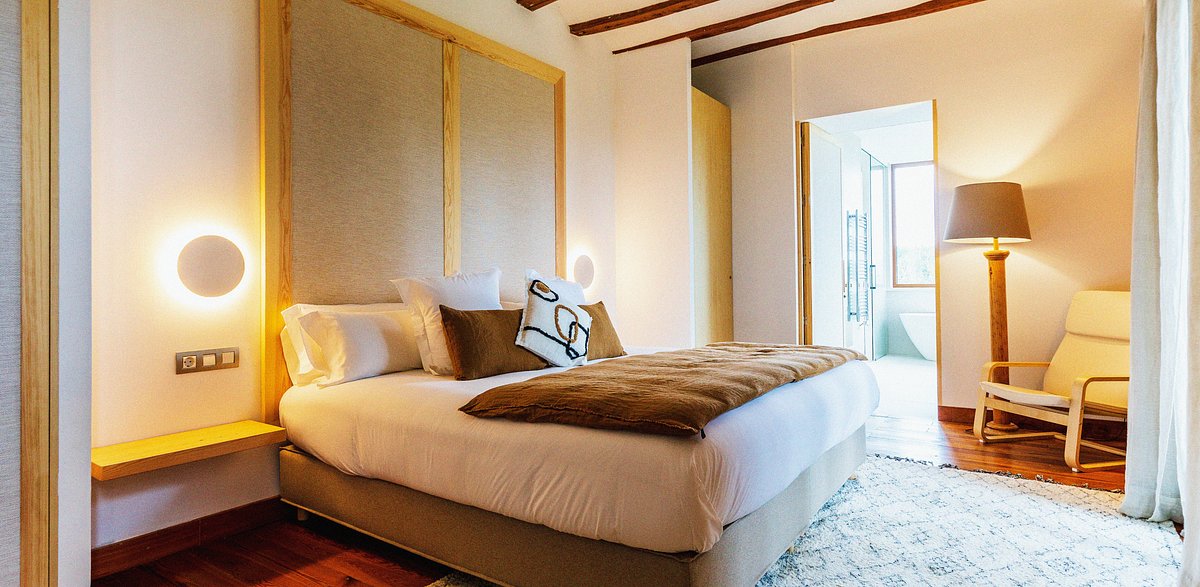
The travel industry has witnessed a profound shift in passenger expectations over the last decade. Travelers are no longer satisfied with the sterile, cookie cutter luxury of international hotel chains that look the same in Tokyo as they do in Paris. In 2026, the most sought after accommodations are those that act as a gateway to their surroundings. Hotels designed around local culture have moved from being a niche luxury to a standard for anyone seeking an authentic connection with a destination. These establishments do not just sit in a city; they are built from the city’s history, materials, and soul.
A culturally integrated hotel serves as a living museum. It is a place where the architecture, the scent in the lobby, the textiles on the bed, and the ingredients in the kitchen all tell a cohesive story about the region. This approach to hospitality is often referred to as place making, a design philosophy that prioritizes the unique identity of a location to create a sense of belonging for the guest.
Architecture as a Narrative Tool
The most impactful culturally designed hotels begin with the bones of the building. Architects are increasingly moving away from glass towers and toward structures that honor traditional building techniques. In regions like the Alentejo in Portugal or the high deserts of New Mexico, this might mean using rammed earth or adobe to create thick walls that naturally regulate temperature, just as local residents have done for centuries.
Repurposing historic structures is another powerful way hotels anchor themselves in local culture. Across Europe and Asia, travelers can stay in former monasteries, colonial administrative buildings, or industrial warehouses that have been meticulously restored. These buildings retain their original character while being updated with modern comforts. By preserving the heritage of the site, the hotel ensures that the guest is literally sleeping within the history of the destination.
Interior Design and the Artisan Connection
The interior of a culturally focused hotel is often a showcase for local craftsmanship. Instead of sourcing furniture from mass production catalogs, designers collaborate with neighborhood artisans to create bespoke pieces. This support of the local creative economy is a cornerstone of sustainable and ethical hospitality.
-
Textiles and Weaving: In a hotel in Oaxaca, Mexico, you might find rugs and throw pillows hand woven on traditional looms using natural dyes made from insects and plants.
-
Ceramics and Tableware: Dining rooms in Japanese ryokans often feature pottery made by local kilns, where the specific clay used reflects the geology of the immediate area.
-
Artwork with Intent: Rather than generic prints, these hotels often function as galleries for local painters and sculptors, offering guests a window into the contemporary art scene of the city.
This attention to detail ensures that every touchpoint in the room reminds the guest of where they are. It transforms a hotel stay into a tactile exploration of regional identity.
Culinary Programs Rooted in the Land
Food is perhaps the most direct way to experience a culture, and hotels designed around local identity prioritize their culinary offerings above all else. The farm to table movement has evolved into a hyper local philosophy where the hotel’s kitchen becomes an extension of the local market.
Menus are dictated by the seasons and the specific geography of the region. In a coastal hotel in Maine, this might mean a menu that changes daily based on the morning catch from local lobstermen. In the mountains of Northern Thailand, it could involve foraged herbs and ancient grains grown by nearby hill tribes. Furthermore, many of these hotels offer immersive culinary experiences, such as guided market tours with the executive chef or traditional cooking classes that teach guests the history behind iconic regional dishes.
Sensory Immersion and Rituals
A hotel that truly embodies local culture engages all the senses. The olfactory experience is often the first thing a guest notices. Hotels may use signature scents derived from local flora, such as cedar in the Pacific Northwest or jasmine in North Africa. These scents are often integrated into the bath amenities, which are frequently developed in partnership with local apothecaries using indigenous oils and herbs.
Daily rituals also play a significant role in cultural immersion. This could be a traditional tea ceremony in a Kyoto hotel, a sunset fado performance in a Lisbon courtyard, or a morning yoga session led by a local practitioner in Bali. These moments of structured engagement allow guests to participate in the local way of life rather than just observing it from a distance.
The Role of Local Staff as Cultural Ambassadors
The human element is the most vital component of a culturally designed hotel. The staff are not just employees; they are residents who possess an intimate knowledge of the area. In these hotels, the concierge role is often expanded into a cultural curator. Instead of suggesting the most popular tourist attractions, they might point guests toward a hidden bakery that has been in the same family for three generations or a quiet park where locals gather for afternoon strolls.
Employment practices in these hotels often prioritize hiring from the immediate community. This ensures that the economic benefits of tourism stay within the neighborhood and that the stories shared with guests are authentic and personal. When a guest interacts with a staff member who is passionate about their home, the connection to the destination becomes significantly deeper.
Sustainability through Cultural Preservation
A hotel designed around local culture is inherently more sustainable. By using local materials, the carbon footprint associated with construction and maintenance is reduced. By serving local food, the environmental impact of long distance shipping is eliminated. Most importantly, by celebrating and preserving local traditions, these hotels provide a financial incentive for the community to keep their heritage alive.
In an era of mass tourism, cultural preservation is a form of conservation. When a hotel invests in the local community, it helps protect the very things that make the destination worth visiting in the first place. For the traveler, this means the peace of mind that their stay is contributing to the flourishing of the local culture rather than its dilution.
Frequently Asked Questions
Are these culturally designed hotels more expensive than standard luxury hotels?
Not necessarily. While many high end boutique properties fall into this category, there is a growing movement of mid range and even budget friendly accommodations that prioritize local design. The cost is often a reflection of the quality of materials and the level of personalized service rather than just the cultural theme.
How do I know if a hotel is authentically local or just using it as a marketing gimmick?
Authentic hotels will have deep ties to the community that are visible in their operations. Look for specific mentions of local artisan partnerships, staff recruitment from the area, and culinary programs that name local suppliers. Reading guest reviews often reveals if the cultural experience felt genuine or forced.
Are these hotels suitable for business travelers who need standard amenities?
Most modern culturally designed hotels understand the needs of the professional traveler. They usually offer high speed internet, comfortable workspaces, and gym facilities, but these are integrated into the design so they do not feel out of place with the local aesthetic.
Will I have to sacrifice comfort for authenticity in these types of hotels?
Absolutely not. In fact, many travelers find these hotels more comfortable because they are designed for the specific climate and environment of the location. High quality local textiles and hand crafted furniture often provide a level of comfort and soul that mass produced items lack.
Do these hotels offer activities for children?
Many culturally focused hotels offer educational programs for children that are far more engaging than a standard kids’ club. These might include craft workshops with local artists, nature walks to learn about indigenous wildlife, or storytelling sessions focused on local myths and legends.
Is English widely spoken in these hotels if they are very local?
Yes, because these hotels cater to an international audience seeking a specific experience, the staff is typically multilingual. While the hotel celebrates the local language and culture, they ensure that communication is seamless for their guests.
How far in advance should I book a stay at a culturally designed boutique hotel?
Because these hotels are often smaller and more unique than large chains, they tend to fill up quickly, especially during peak travel seasons. It is generally recommended to book three to six months in advance to secure your preferred room type.


