

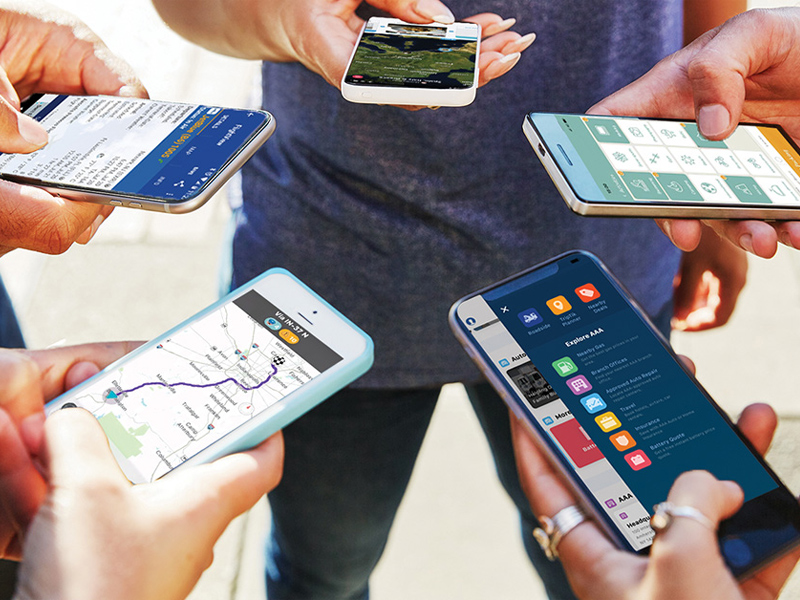
The modern traveler carries a powerhouse of logistics, translation, and navigation in their pocket. Gone are the days of paper maps, bulky phrasebooks, and printed itineraries that inevitably get lost in a backpack. In 2026, the digital travel ecosystem has matured to a point where an entire trip can be managed with a few swipes. However, with millions of applications available, the challenge has shifted from finding a tool to finding the right tool. The best travel apps do more than just provide information; they reduce the cognitive load of decision making and offer a safety net when plans go awry.
Efficiency in travel is no longer just about speed; it is about the seamless integration of different services. From managing real time flight disruptions to finding a hidden local eatery in a city where you do not speak the language, the right digital toolkit is what separates a stressful trip from a memorable adventure.
Comprehensive Itinerary Management
The cornerstone of any organized trip is a centralized itinerary. When you book flights, hotels, car rentals, and tours across different platforms, keeping track of confirmation numbers and check in times becomes a full time job. Applications like TripIt have revolutionized this process by acting as a digital personal assistant. By simply forwarding confirmation emails to the app, it automatically builds a master itinerary.
What makes these tools indispensable for frequent travelers is their ability to provide real time updates. If a gate changes at the last minute or a flight is delayed, the app often notifies the user before the airport monitors are updated. Having a single source of truth that is accessible offline ensures that you are never left scrambling for a reservation number when you lack internet access in a foreign country.
Real Time Flight Tracking and Navigation
While airline specific apps are useful, they are often limited in scope. Specialized flight tracking tools provide a global perspective that is essential for navigating complex connections. These apps use live data to track the physical location of your aircraft, allowing you to see if your incoming flight is delayed by weather in another city.
For the airport experience itself, indoor mapping technology has become a game changer. Navigating massive hubs like Dubai International or Hartsfield Jackson Atlanta is daunting. Modern navigation apps now include detailed terminal maps that can guide you from your arrival gate to the nearest pharmacy, lounge, or connecting flight with turn by turn precision. This reduces the frantic walking often associated with tight connections and helps travelers find quiet corners to rest during long layovers.
Breaking Language Barriers with Instant Translation
Language is often the most significant hurdle to authentic cultural immersion. While learning basic phrases is always recommended, specialized translation apps provide a vital bridge for complex situations. In 2026, these tools have moved far beyond simple text translation.
-
Camera Translation: Using augmented reality, you can point your phone at a menu, street sign, or official document, and the app overlays the translated text in real time. This is particularly useful in regions using non Latin scripts.
-
Voice Conversion: Dual sided conversation modes allow two people to speak their native languages into a single device, which then translates and speaks the words back to the other person. This technology has become so refined that it can now handle local dialects and slang with surprising accuracy.
-
Offline Packs: The most prepared travelers download language packs before they leave home. This ensures that even in remote areas without cellular service, they can still communicate their needs or read important safety information.
Navigation Beyond the Tourist Path
Google Maps remains the industry standard for general navigation, but for many parts of the world, specialized mapping tools offer better local data. For hikers and outdoor enthusiasts, apps that provide topographic maps and GPS tracking without the need for a data connection are essential for safety.
In urban environments, transit specific apps excel at helping travelers navigate complex subway and bus systems. These tools often provide the most efficient route based on real time traffic and service interruptions. Furthermore, they often include information on how to purchase tickets, which is one of the most confusing aspects of using public transport in a new city. By knowing exactly which bus to take and what the fare will be, travelers can move through a city with the confidence of a local.
Financial Tools and Currency Conversion
Managing money across different currencies is a constant source of stress. Currency converter apps that update exchange rates in real time are a staple for any international trip. However, the latest financial travel apps go further by helping users track their spending in both the local and home currency.
This is particularly useful for staying on budget. Many travelers find it difficult to conceptualize the cost of a meal or a souvenir when the numbers are in the thousands or millions. A quick conversion helps maintain financial discipline. Additionally, some apps provide information on local tipping customs and common scams, ensuring that travelers are neither overpaying nor accidentally offending local service workers.
Discovering Local Flavors and Experiences
To avoid tourist traps, travelers are increasingly turning to crowd sourced discovery apps. While traditional review sites still have their place, newer platforms focus on specific niches, such as vegan dining, specialty coffee, or sustainable fashion.
The value of these apps lies in their filters. Instead of seeing every restaurant in a five mile radius, a traveler can find a spot that matches their specific dietary needs or atmosphere preferences. Some applications also offer the ability to book unique experiences directly with local residents, such as cooking classes in a private home or guided tours of street art districts. This fosters a type of travel that is more personal and less commodified.
Packing and Preparation
A successful journey begins long before you reach the airport. Packing apps help eliminate the “did I forget my charger” anxiety. These tools generate customized packing lists based on your destination, the length of your stay, and the forecasted weather.
Many of these apps are collaborative, allowing families or groups to share a list and see who is responsible for bringing communal items like first aid kits or portable speakers. By checking off items digitally, travelers can ensure they have everything they need without overpacking, which is a common mistake that leads to unnecessary luggage fees.
Frequently Asked Questions
Do these travel apps work without an internet connection?
Many modern travel apps offer offline modes, but they often require you to download data while you still have a stable connection. For example, you can download maps, language packs, and saved itineraries. Always ensure you have activated the offline features for your specific destination before you depart.
Will using many apps drain my phone battery too quickly?
Apps that use GPS and constant data syncing can be heavy on battery life. To mitigate this, frequent travelers often use portable power banks and keep their phones in low power mode. It is also helpful to close apps that are running in the background when they are not actively being used for navigation.
Are these applications secure for storing my passport and credit card information?
Most reputable travel apps use high level encryption to protect sensitive data. However, for maximum security, it is best to use a dedicated, encrypted password manager or a secure digital vault for sensitive documents. Avoid storing photos of your passport in your general photo gallery.
How do I manage my phone’s data usage while traveling internationally?
To avoid high roaming charges, you can use an app that provides an eSIM. These allow you to download a digital SIM card and purchase local data packages directly on your phone. This is often significantly cheaper than using your home provider’s international roaming plan.
What should I do if my phone is lost or stolen during my trip?
Before you leave, ensure that your phone is backed up to the cloud and that your “Find My” feature is active. Keep a physical or digital copy of your essential itinerary and contact numbers stored in a separate place, such as a cloud drive that you can access from a hotel computer or a tablet.
Are there apps specifically designed for solo travelers?
Yes, there are several apps designed to connect solo travelers with others in the same area. These can be used to find dinner companions, walking tour partners, or just to share advice. Many of these apps include safety features that allow you to share your live location with trusted contacts at home.
Can travel apps help with jet lag?
There are specialized apps that use algorithms to suggest when you should seek light and when you should stay in the dark to help reset your internal clock. By following these schedules a few days before and after your flight, you can significantly reduce the recovery time needed when crossing multiple time zones.

