

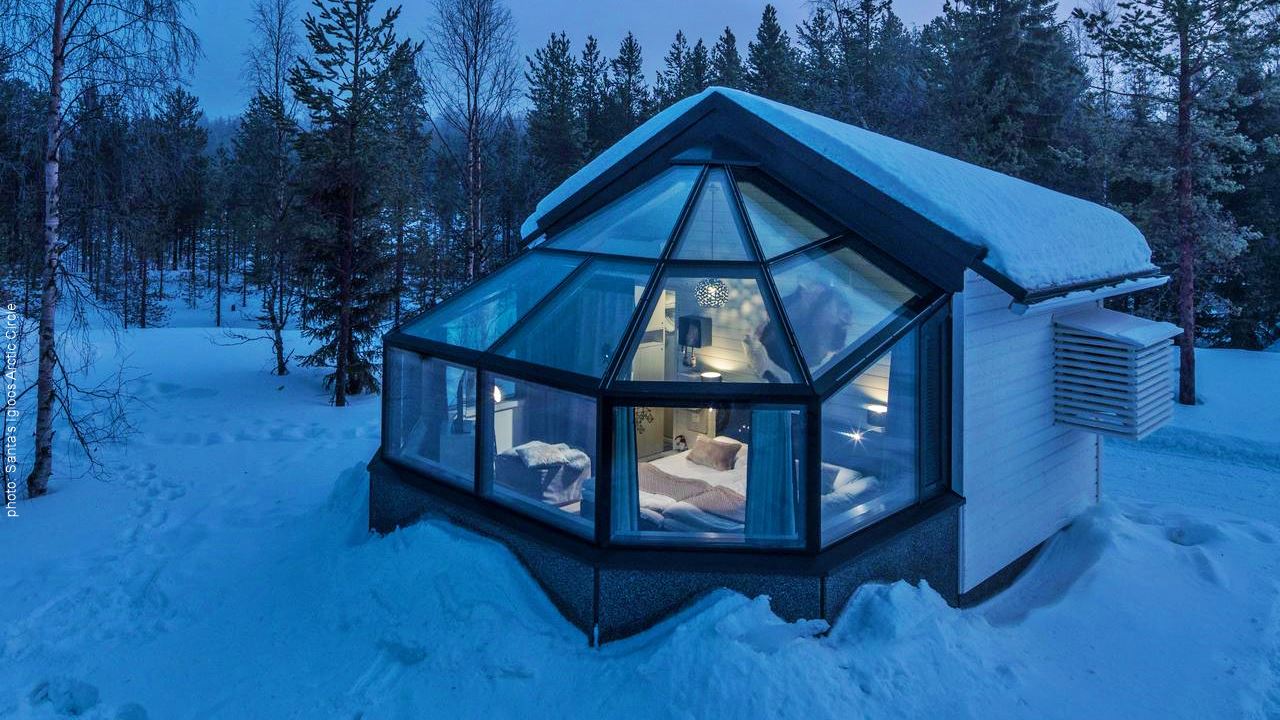
The Arctic Circle has long been a destination for the intrepid traveler seeking the raw beauty of the North. However, the experience of witnessing the Aurora Borealis has undergone a dramatic transformation in recent years. What once required standing in sub-zero temperatures for hours, huddled in heavy parkas, has been reinvented through the architectural marvel of the glass igloo. These structures allow travelers to immerse themselves in the celestial display of the Northern Lights from the comfort of a temperature-controlled, luxurious environment.
In 2026, glass igloo technology has reached its pinnacle, offering crystal-clear views and sustainable living solutions in some of the most remote corners of the globe. From Finnish Lapland to the rugged wilderness of Greenland and the northern reaches of Canada, these igloos have become the gold standard for Arctic sky watching.
The Architecture of Transparency and Warmth
Designing a structure that is entirely transparent yet capable of withstanding the brutal Arctic winter is a significant engineering feat. The primary challenge is maintaining a clear view while preventing the glass from frosting over or accumulating snow. Modern glass igloos utilize a specialized thermal glass that is electrically heated. This heating element keeps the glass surface just warm enough to melt falling snow and prevent condensation, ensuring that the view of the stars remains unobstructed regardless of the external weather.
Beyond the glass itself, the structural integrity of these units is paramount. Most igloos are built with a reinforced steel or wooden frame that mimics the traditional dome shape of indigenous Inuit snow dwellings. This aerodynamic shape is intentional; it allows the fierce Arctic winds to flow over the structure rather than battering it, which enhances the stability of the unit and reduces the noise of the wind for the guests inside.
Luxury and Comfort in the Frozen Wild
While the exterior of a glass igloo is designed for durability, the interior is often a masterclass in Scandinavian or minimalist luxury. Most units are equipped with high-end bedding, en-suite bathrooms, and even small kitchenettes. The focus is on providing a cozy, hygge-inspired atmosphere that contrasts sharply with the frozen landscape just inches away.
-
Motorized Beds: Many premium igloos feature beds that can be tilted or adjusted at the touch of a button. This allows guests to find the perfect angle for viewing the sky without straining their necks.
-
Climate Control: Advanced HVAC systems ensure that while the temperature outside may be negative forty degrees, the interior remains a steady and comfortable seventy degrees.
-
Privacy Features: While the domes are transparent, privacy is maintained through the use of specialized glass coatings that make it difficult to see inside during the day, or via retractable curtains that wrap around the lower half of the dome.
Prime Locations for Glass Igloo Stays
While Finland is the birthplace of the commercial glass igloo, several other Arctic regions have developed their own unique versions of these accommodations.
Finnish Lapland: The Original Experience
Lapland remains the most popular destination for glass igloo enthusiasts. Regions such as Saariselka and Rovaniemi offer entire villages made of these structures. Staying here provides more than just a view; it offers a full Arctic immersion, including reindeer safaris, husky sledding, and traditional Finnish saunas. The density of igloos in this region makes it one of the most accessible options for travelers.
Northern Norway: Fjords and Lights
Norway’s version of the glass igloo often incorporates the dramatic backdrop of the fjords. Here, you might find glass-topped cabins situated on the edge of the water, offering a dual view of the mountains and the sky. The coastal climate in Norway can lead to more cloud cover than in the interior of Finland, but the scenery is arguably more dramatic.
Greenland and Northern Canada: The Remote Frontier
For those seeking true isolation, the newer glass igloo developments in Greenland and the Canadian Arctic offer a raw experience. These units are often accessible only by bush plane or snowmobile. The lack of light pollution in these areas is absolute, making the Aurora Borealis appear significantly brighter and more vivid than in more developed regions.
Maximizing Your Aurora Viewing Success
Staying in a glass igloo significantly increases your chances of seeing the Northern Lights simply because you can monitor the sky throughout the entire night. However, there are still factors you must consider to ensure success.
The most important factor is the timing of your visit. The Arctic sky watching season typically runs from late September to early April. During the summer months, the Arctic experiences the Midnight Sun, where the sun never fully sets, making it impossible to see the Aurora. The peak months are often October, November, February, and March, as these months tend to have clearer skies than the mid-winter period of December and January.
Many igloo resorts also provide “Aurora Alarms.” These are wearable devices or in-room notification systems that alert you the moment the Northern Lights are detected by the resort’s sensors or local guides. This allows you to sleep soundly and only wake up when the show begins.
Sustainability in the Arctic Circle
As tourism in the Arctic increases, the environmental impact of these resorts has come under scrutiny. Leading igloo operators in 2026 are prioritizing sustainability to protect the fragile tundra. Many igloos are now powered by a combination of wind and geothermal energy. Because the Arctic ground is often permafrost, many structures are built on raised platforms that do not require deep foundations, which helps preserve the local flora and soil structure.
Waste management is another critical area. Most remote igloo villages utilize high-tech, closed-loop water filtration systems that purify and recycle water on-site. By minimizing the footprint of these resorts, operators ensure that the Arctic remains pristine for future generations of sky watchers.
Frequently Asked Questions
Is it possible to see the Northern Lights every night from a glass igloo?
No, the Aurora Borealis is a natural phenomenon that depends on solar activity and clear weather. Even if the solar activity is high, heavy cloud cover can block the view. Most travelers book a stay of at least three to four nights to increase their chances of witnessing a significant display.
Are glass igloos warm enough for infants or elderly travelers?
Yes, they are designed for extreme comfort. The interior temperature is consistent and can be adjusted to your preference. Unlike traditional snow igloos, which stay around freezing, glass igloos are as warm as a standard hotel room.
What should I wear while staying in a glass igloo?
Inside the igloo, you can wear regular indoor clothing or pajamas. However, you should have high-quality Arctic gear (thermal layers, wool socks, and insulated boots) ready by the door in case you want to step outside for a different perspective or to take photographs without the reflection of the glass.
How do I take photos of the Aurora from inside the glass?
Taking photos through glass can be tricky due to reflections from interior lights. Most igloos have a master switch to turn off all internal lights. You should place your camera lens directly against the glass and use a tripod. If your camera has a “night mode” or manual settings, use a long exposure (5-15 seconds) and a high ISO.
Do glass igloos have private bathrooms?
While the very first models often had shared facilities, almost all modern glass igloos built in the last five years include a private en-suite bathroom. Some even include a private sauna or an outdoor hot tub.
Can I stay in a glass igloo during the day?
Yes, though the primary attraction is the night sky. During the day, the Arctic landscape is beautiful, and the igloo provides a unique vantage point for watching the sunrise or sunset, which can last for several hours in the winter.
How far in advance do I need to book?
Due to their popularity and the limited number of units, most glass igloo resorts require booking six to twelve months in advance, especially for travel during the peak months of February and March or during the Christmas and New Year holidays.


