

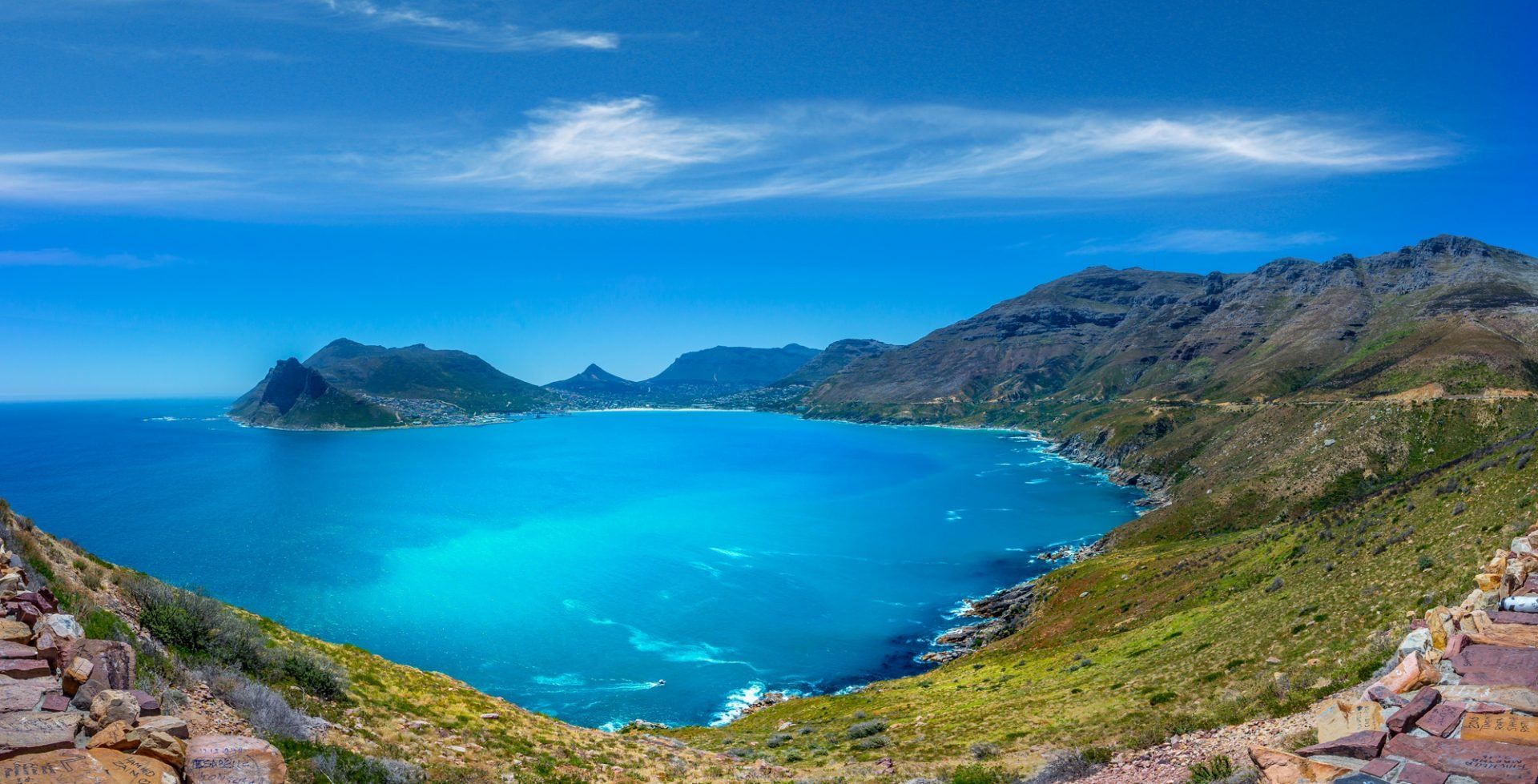
Africa is a continent that defies simple description, particularly when it comes to its geographical diversity. It is a place where the earth seems to breathe with a primal energy, offering landscapes that range from the scorched orange dunes of the world’s oldest desert to the mist-shrouded peaks of ancient volcanic ranges. For travelers seeking natural beauty, Africa provides an immersive experience that goes far beyond the traditional safari. The continent is home to geological wonders, unique ecosystems, and some of the most dramatic water features on the planet.
As global travel shifts toward sustainability and meaningful connection with the environment, Africa’s protected wilderness areas have become gold standards for conservation and breathtaking scenery. Exploring these destinations allows one to witness the raw power of nature in its most undisturbed state.
The Ethereal Landscapes of Namibia
Namibia is a country defined by its stark, haunting beauty. It is one of the least densely populated places on earth, allowing the land to speak for itself. The Namib Desert, which is believed to be the oldest desert in the world, presents an ocean of sand that meets the Atlantic Ocean in a dramatic clash of elements.
The most iconic destination within Namibia is Sossusvlei, located in the Namib-Naukluft National Park. Here, massive red sand dunes, some reaching heights of over 1,000 feet, create a shifting landscape of light and shadow. Nearby, Deadvlei offers a surreal sight: a white clay pan punctuated by the skeletal remains of ancient camel thorn trees that died centuries ago, preserved by the arid climate. The contrast between the blackened wood, the white ground, and the deep orange dunes is a masterpiece of natural minimalism.
Further north, the Skeleton Coast provides a more somber beauty. Constant fog and treacherous currents have claimed many ships over the years, leaving rusted hulls scattered along the shore. This area is a testament to the resilience of life, where desert-adapted elephants and lions roam through terrain that seems entirely inhospitable.
The Okavango Delta: An Inland Miracle in Botswana
While most rivers flow toward the sea, the Okavango River in Botswana flows inland, creating a lush oasis in the heart of the Kalahari Desert. The Okavango Delta is a seasonal floodland that covers thousands of square miles, forming an intricate network of lagoons, channels, and islands.
The beauty of the Delta is best experienced from the water. Navigating the narrow reeds in a mokoro, a traditional dugout canoe, allows for a silent and intimate view of the ecosystem. The water is so clear that you can see the sandy bottom and the small painted reed frogs clinging to the stems of papyrus. During the peak flood season, the Delta becomes a sanctuary for a staggering array of wildlife, including massive herds of buffalo, hippos, and rare aquatic antelope like the lechwe.
Botswana’s commitment to high-value, low-impact tourism ensures that the Delta remains pristine. The lack of permanent structures and the reliance on mobile or eco-friendly camps mean that the footprint of man is almost invisible, leaving the natural beauty of the wetlands as the primary focus.
The Dramatic Peaks of the Drakensberg in South Africa
The Drakensberg Mountains, or uKhahlamba (the Barrier of Spears in Zulu), form the highest mountain range in Southern Africa. This UNESCO World Heritage site is a paradise for hikers, photographers, and nature lovers. The range stretches for hundreds of miles, characterized by basalt buttresses, jagged peaks, and deep, hidden valleys.
The Royal Natal National Park is home to the Amphitheatre, a crescent-shaped rock wall that is one of the most impressive cliff faces on earth. It spans five miles in length and rises vertically for nearly 4,000 feet. Plummeting from the top of this plateau is the Tugela Falls, which is widely considered the second-highest waterfall in the world. The mist rising from the falls against the backdrop of the massive stone walls creates an atmosphere of ancient, untouched grandeur.
Beyond the sheer cliffs, the Drakensberg is also home to thousands of San rock art sites. These paintings, hidden in caves and under rocky overhangs, add a layer of human history to the natural splendor, depicting the deep spiritual connection the original inhabitants had with this rugged landscape.
The Primal Rainforests of the Congo Basin
Often referred to as the second lungs of the earth, the Congo Basin contains the world’s second-largest tropical rainforest. This is a destination for those who want to experience nature at its most intense and mysterious. The forest is a dense, multi-layered world of towering hardwoods, winding rivers, and hidden clearings known as bais.
In places like Odzala-Kokoua National Park in the Republic of the Congo, the beauty lies in the overwhelming vibrancy of life. The forest is home to the western lowland gorilla, forest elephants, and the elusive bongo. The rivers serve as the arteries of the forest, and traveling by boat provides a vantage point to see the canopy bursting with colorful birds and primates.
The beauty of the Congo Basin is not just visual; it is auditory and atmospheric. The constant hum of insects, the distant calls of chimpanzees, and the smell of damp earth and rotting vegetation create an all-encompassing sensory experience. It is one of the few places left on the planet where the wilderness feels truly infinite.
The Volcanic Wonders of the Virunga Mountains
Straddling the borders of Rwanda, Uganda, and the Democratic Republic of the Congo, the Virunga Mountains are a chain of eight major volcanoes. Most are dormant, but a few remain active, adding a sense of geological volatility to the region’s beauty. The slopes of these mountains are covered in thick afro-montane forest and bamboo, often shrouded in a thick, ethereal mist.
This region is famous as the home of the endangered mountain gorilla. Tracking these primates through the dense undergrowth is a profound experience, but the landscape itself is equally captivating. The peaks reach toward the clouds, and the volcanic soil supports a lushness that is almost neon green. Mount Nyiragongo, in the DRC, contains one of the world’s largest persistent lava lakes. Watching the glowing red magma churn within the blackened crater at night is a stark reminder of the earth’s internal fire.
Reasons to Prioritize Natural Destinations in Africa
-
Unrivaled Biodiversity: Africa contains a higher density of large mammals and varied birdlife than any other continent.
-
Geological Diversity: From the Great Rift Valley to the salt pans of Makgadikgadi, the continent features unique geological formations.
-
Quietude and Space: Many of Africa’s natural wonders are located in remote areas, offering a level of silence and dark skies rarely found in the modern world.
-
Support for Conservation: Tourism in these areas provides the financial incentive for governments to protect habitats from poaching and industrial development.
Frequently Asked Questions
What is the best way to travel between these remote natural destinations?
Given the vast distances and often underdeveloped road infrastructure, small-craft bush planes are the most efficient way to travel between remote parks and reserves. Many high-end lodges operate their own airstrips to facilitate easy access for guests.
Are these natural areas safe for travelers regarding wildlife encounters?
Safety is maintained through the expertise of professional guides and rangers. When visiting national parks, it is mandatory to follow strict protocols, such as staying inside vehicles or following a guide’s instructions during walking safaris. Respecting the animals’ space is the key to a safe experience.
Do I need specific vaccinations to visit the Congo Basin or the Virunga Mountains?
Yes, several vaccinations are typically required or recommended, including Yellow Fever, which is mandatory for entry into many central African countries. Malaria prophylaxis is also essential for most of these regions. Always consult a travel clinic at least two months before your departure.
Can I visit the Namib Desert throughout the entire year?
Namibia is a year-round destination, but the best time for photography and comfort is during the southern hemisphere’s winter (May to October). During this time, the days are clear and mild, though nighttime temperatures in the desert can drop below freezing.
How physically demanding is a trip to the Drakensberg or the Virunga Mountains?
These destinations can be physically taxing. Hiking the Drakensberg requires a moderate to high level of fitness depending on the trail, while gorilla trekking in the Virungas involves navigating steep, slippery terrain at high altitudes. It is advisable to prepare with cardiovascular exercise before your trip.
What should I pack for a trip focused on African natural beauty?
Layered clothing is essential due to significant temperature swings between day and night. Neutral-colored clothing (khaki, olive, brown) is best for wildlife viewing. High-quality binoculars, a camera with a telephoto lens, and sturdy, broken-in hiking boots are also non-negotiable.
Is it possible to visit these locations on a budget?
While many of the most famous lodges are luxury-oriented, many national parks offer public campsites or self-catering chalets. Countries like Namibia and South Africa are particularly well-suited for self-drive camping trips, which significantly reduces the cost of the expedition.


