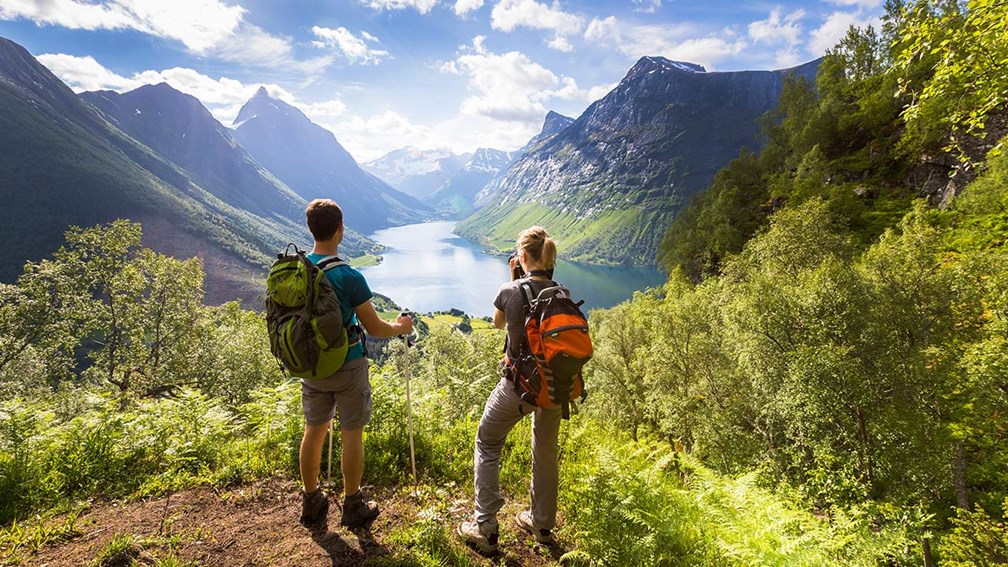

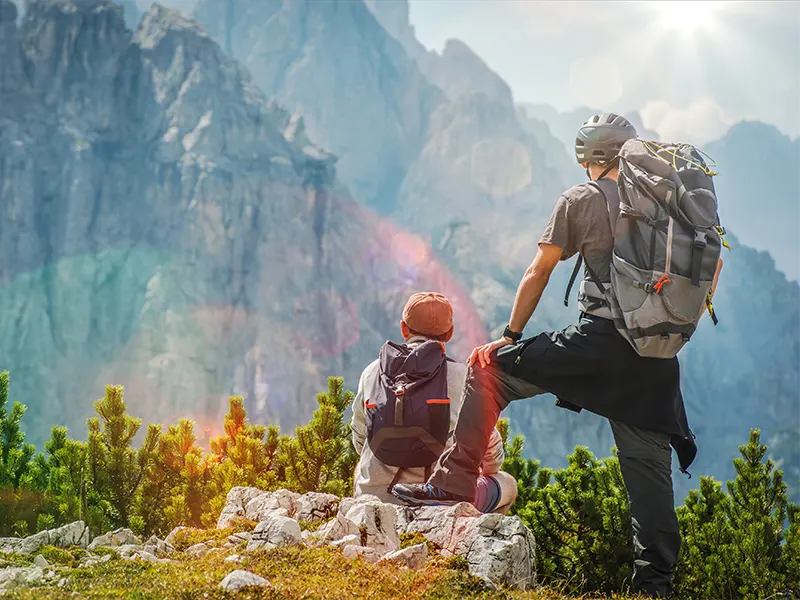
The intersection of high-octane adventure and environmental stewardship has created a new frontier in the travel industry. For the modern explorer, the thrill of summiting a peak or navigating a remote river is now inextricably linked to the ethics of the journey. Adventure destinations with eco-lodging offer a way to experience the world’s most formidable landscapes while ensuring that the presence of tourism helps protect, rather than degrade, the local ecosystem.
In 2026, eco-lodging has moved far beyond simple solar panels or organic linens. Today, these establishments are integrated into the conservation efforts of their regions, often serving as the primary defenders of the surrounding wilderness. From the dense rainforests of Central America to the icy fjords of the Nordic regions, these destinations prove that luxury and adrenaline can coexist with a deep respect for the planet.
Costa Rica: The Global Benchmark for Eco-Adventure
Costa Rica remains the undisputed leader in eco-tourism, a position it has held for decades by successfully pivoting its economy toward conservation. The country’s diverse geography, which includes smoking volcanoes, cloud forests, and sprawling coastlines, provides a limitless playground for adventurers.
The Osa Peninsula is perhaps the most biologically intense place on earth. Here, eco-lodges are designed to be almost invisible within the jungle canopy. These structures are often built on stilts to minimize soil compaction and use gravity-fed water systems sourced from local springs. Adventurers can spend their days kayaking through mangroves or trekking deep into Corcovado National Park, returning to a lodge that operates entirely off-the-grid.
-
Activities: Zip-lining through the Monteverde Cloud Forest, surfing the breaks of Pavones, and whitewater rafting down the Pacuare River.
-
Eco-Innovation: Many lodges in Costa Rica utilize micro-hydroelectric systems, harnessing the power of local streams to provide carbon-neutral electricity for their guests.
Iceland: Adrenaline in the Land of Fire and Ice
Iceland offers a starkly different adventure experience characterized by its volcanic plateaus and massive glaciers. The country’s commitment to sustainability is facilitated by its unique geology, as nearly all of its energy is sourced from geothermal and hydroelectric power.
For those seeking adventure, the Vatnajokull region provides opportunities for ice climbing and glacier hiking. Eco-lodges in Iceland often take the form of minimalist, high-design structures that utilize the surrounding topography for insulation. Some are built directly into the hillside, using turf roofs and volcanic stone to blend into the landscape while providing exceptional thermal efficiency.
The highlight for many is the opportunity to stay in a “glass-ceiling” lodge. These are engineered to provide unobstructed views of the Northern Lights without sacrificing heat. The architectural challenge of maintaining warmth in a sub-arctic environment while using expansive glass is met with triple-pane insulation and floor-based geothermal heating.
The Peruvian Amazon: Immersion in the Great Green Heart
The Amazon rainforest is a destination that demands respect, and the eco-lodges operating within the Tambopata and Manu reserves are at the forefront of protecting this vital biome. Adventure in the Amazon is not just about physical exertion; it is a sensory immersion into a world of unparalleled biodiversity.
Eco-lodges here often partner with local indigenous communities, ensuring that the economic benefits of tourism support those who have protected the forest for generations. Architecture in the Peruvian Amazon typically utilizes sustainably harvested local wood and palm fronds for roofing. Many rooms are designed with only three walls, using fine mesh screening on the fourth side to allow the sounds and scents of the jungle to permeate the living space.
-
Activities: Canopy walkway tours hundreds of feet above the forest floor, nocturnal river safaris to spot caimans, and visits to macaw clay licks.
-
Conservation Impact: These lodges often fund biological research stations on-site, allowing guests to interact with scientists and participate in citizen-science projects.
Namibia: Desert Survival and Wildlife Conservation
Namibia offers a rugged, desert-based adventure that feels like traveling to another planet. The Skeleton Coast and the red dunes of Sossusvlei are iconic landscapes that require specialized eco-lodging to survive the extreme climate.
Eco-lodges in the Namibian desert are masters of water conservation. Every drop of water used for showers or cooking is reclaimed, treated, and used for irrigation or to support artificial waterholes for local wildlife. The structures are often modular and designed to be completely removable, ensuring that if the lodge were ever closed, the desert would return to its natural state within a few seasons.
The adventure here is centered on the desert-adapted wildlife. Tracking rhinoceros on foot or taking a light aircraft flight over the desolate coastline provides a perspective on the fragility of life. The lodges act as hubs for anti-poaching units, with a portion of every guest’s stay going directly toward the equipment and salaries of these protectors.
New Zealand: Sustainable Luxury in the Southern Alps
New Zealand is often cited as the spiritual home of commercial adventure travel. From the bungee jumping of Queenstown to the multi-day “Great Walks” that traverse the Southern Alps, the country is built for those who love the outdoors.
The eco-lodging scene in New Zealand is characterized by high-end sustainability. Lodges located near the Milford Sound or in the heart of the Southern Alps often operate as closed-loop systems. This means they produce their own food, process their own waste, and generate their own power.
-
Activities: Heli-skiing on untouched powder, skydiving over Lake Wanaka, and trekking the rugged coastline of Abel Tasman National Park.
-
Eco-Innovation: Extensive use of “living buildings” which are designed to improve the environment they sit in, such as by cleaning the air or purifying the groundwater.
The Importance of Choosing Certified Eco-Lodging
As “green” becomes a popular marketing term, it is essential for adventurers to look for legitimate certifications. Organizations like the Global Sustainable Tourism Council provide rigorous standards that hotels must meet to be considered truly sustainable.
Choosing these destinations does more than just reduce your personal carbon footprint. It creates a financial mandate for conservation. When a remote community sees that a standing forest or a healthy reef is more valuable for tourism than for logging or industrial fishing, the entire dynamic of local environmental protection changes.
Frequently Asked Questions
Does eco-lodging mean sacrificing modern comforts like air conditioning?
In many tropical environments, eco-lodges favor passive cooling techniques, such as cross-ventilation and high ceilings, over traditional air conditioning. However, many modern eco-lodges now use high-efficiency solar-powered AC units or localized cooling systems that target the bed area specifically to reduce energy waste.
How do eco-lodges handle waste in such remote areas?
Most high-end eco-lodges utilize advanced on-site waste treatment plants. For organic waste, composting systems are common. For inorganic waste, most lodges operate a strict “pack-in, pack-out” policy where all trash is transported back to major cities with proper recycling facilities.
Are adventure eco-lodges safe for families with children?
Yes, many adventure lodges have developed family-specific programs that balance safety with exploration. Activities like guided nature walks, junior ranger programs, and cultural exchanges are designed to be educational and safe for younger travelers.
Is it necessary to book these lodges through a specialized travel agent?
While you can book many of these independently, a specialized agent can often provide deeper insight into the lodge’s actual conservation impact. They can also help navigate the complex logistics of reaching remote locations, such as bush planes or boat transfers.
Why are eco-lodges often more expensive than standard hotels?
The higher cost is usually attributed to the logistics of operating in remote areas and the expense of sustainable technology. Additionally, a significant portion of the room rate often goes toward local conservation projects, community health initiatives, or land leases that prevent the area from being developed for industry.
What should I look for in a lodge’s sustainability report?
A transparent lodge will provide data on their energy consumption, the percentage of their staff hired from the local community, and their specific conservation goals. Look for details on how they handle greywater and whether they have a clear policy for reducing single-use plastics.
Can I visit these destinations during the off-season?
Many adventure destinations have distinct “wet” or “winter” seasons where certain activities like hiking or climbing may be restricted. However, visiting during the shoulder season often provides a more quiet, intimate experience at a lower price point, while still supporting the lodge’s year-round staff.