

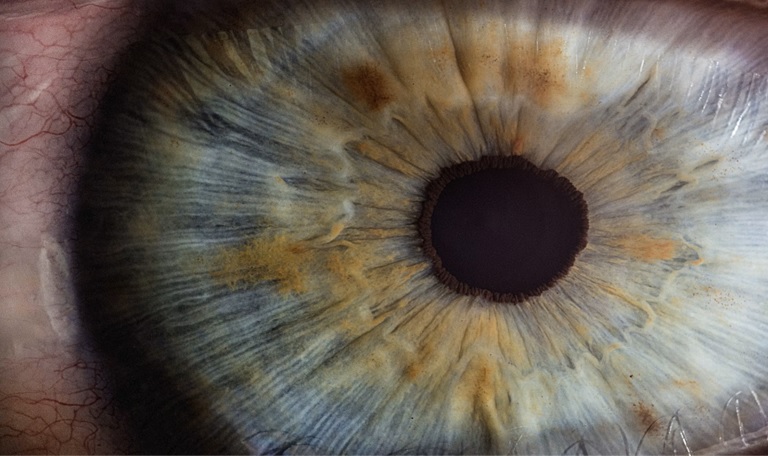
Contact lenses sit directly on the surface of the eye, which often leads to the assumption that they offer a layer of protection. In reality, their role is far more limited. They correct vision, but they do very little to shield the eye from the outside world.
Understanding what they can and cannot do helps make sense of when they are useful, and when additional eye protection is still necessary.
What contact lenses actually do
Contact lenses are designed to correct refractive errors such as short sightedness, long sightedness, astigmatism, and presbyopia. They sit on the tear film of the eye and refract light so it focuses properly on the retina.
Some lenses are marketed with UV blocking properties, and these can reduce the amount of ultraviolet radiation reaching parts of the eye. However, this protection is partial and limited to the area covered by the lens. The rest of the eye, including the surrounding skin and conjunctiva, remains exposed.
In practical terms, contact lenses should be seen as a vision correction tool rather than a protective barrier.
UV exposure and common misunderstandings
A frequent misconception is that contact lenses act as a form of sunglasses. Even lenses with UV filters cannot replace proper eye protection.
UV radiation affects the eye in several ways. Short term exposure can cause discomfort or photokeratitis, sometimes described as a sunburn of the eye. Long term exposure is linked with conditions such as cataracts and certain surface eye changes.
Because contact lenses only cover the cornea, they cannot block UV rays entering from the sides. This is where wraparound frames or well designed sunglasses still play an important role.
It is also worth noting that UV protection in contact lenses is classified by standard tests based on transmission through the lens material, not real world outdoor conditions where light enters from multiple angles.
Protection against wind, dust and environmental factors
Another area where contact lenses are often misunderstood is physical protection. They do not shield the eye from wind, dust, pollen, or debris. In some environments, they can even make irritation more noticeable.
Dry air, air conditioning, and pollution can all reduce comfort when wearing lenses. The eye’s natural tear film can evaporate more quickly, leading to dryness or a gritty sensation. In contrast, glasses or sunglasses provide a physical barrier that can reduce direct exposure.
This becomes particularly relevant during outdoor activities such as cycling, running, or time spent in coastal or windy areas.
When contact lenses are not enough on their own
In everyday indoor settings, contact lenses usually perform well on their own. Outside, especially in bright or exposed environments, they rarely provide sufficient protection.
This is where people often start weighing up alternatives such as glasses or tinted eyewear. The decision can depend on lifestyle, sensitivity to light, and how often time is spent outdoors.
For those considering different options, the question often shifts towards practical comfort and protection rather than vision correction alone. This is where thinking about whether to get prescription sunglasses becomes relevant, particularly for people who find themselves switching frequently between indoor and outdoor spaces.
A more balanced approach to eye care
Eye protection is rarely about a single solution. Contact lenses offer clarity of vision, but they do not address environmental exposure in a meaningful way. Sunglasses or prescription sunglasses fill that gap by reducing glare, filtering UV, and offering a physical shield against wind and debris.
Some people alternate between contacts and sunglasses depending on the situation, while others prefer a single pair of prescription sunglasses for consistency outdoors. There is no universal approach, only what aligns with daily habits and comfort.
Contact lenses are effective for vision correction, but their protective capabilities are limited. They offer minimal UV filtering in specific cases and no real defence against wind, dust, or environmental exposure. For outdoor conditions, additional eye protection remains important, particularly in bright or variable light.
Thinking about how and when to combine different forms of eyewear often leads to broader considerations about whether to get prescription sunglasses, especially for those who spend a significant amount of time outside.


