

A weekend away can be refreshing, but travelling with a dog needs a little extra planning. Whether you are heading to a quiet cabin, a beachside stay, a family visit, or a short countryside break, your dog will feel more comfortable when familiar essentials are packed properly. A good packing list can prevent stress, save time, and make the trip smoother for everyone.
Dogs rely on routine more than many people realise. New places, different smells, car travel, unfamiliar sounds, and changes in feeding times can make some dogs unsettled. Packing the right items helps keep their day predictable, even when the surroundings are different.
Start With the Basics
Before packing toys, blankets, and extras, start with the most important items. These are the things your dog uses every day and should not be forgotten.
Your basic list should include:
- Lead and collar
- Harness if your dog uses one
- ID tag with current contact details
- Food and feeding bowl
- Water bowl
- Waste bags
- Bedding or blanket
- Any medication
- Grooming brush
- Towel
- Favourite toy
It is a good idea to pack these items first instead of leaving them until the end. If you forget something like a toy, you may still manage. If you forget medication, food, or the lead, the trip can become difficult very quickly.
Pack Enough Food for the Whole Trip
Changing your dog’s food suddenly while travelling can upset their stomach. To avoid this, pack the same food your dog normally eats at home. Measure enough for each meal, then add a little extra in case your return is delayed or your plans change.
Using portioned containers or sealed bags can make feeding easier. Instead of carrying one large food bag, you can pack individual meal portions. This saves space and helps avoid overfeeding.
If your dog eats wet food, check that you have a way to keep it fresh after opening. A small cooler bag may help if the weather is warm or if refrigeration is limited.
Try to keep feeding times close to your dog’s normal routine. Even if the trip is relaxed, regular meals can help your dog feel more settled.
Carry Travel-Friendly Snacks
Snacks can be useful during travel, especially if your dog needs encouragement, distraction, or a small reward for calm behaviour. They can also help during walks, rest stops, check-ins, or when your dog is adjusting to a new place.
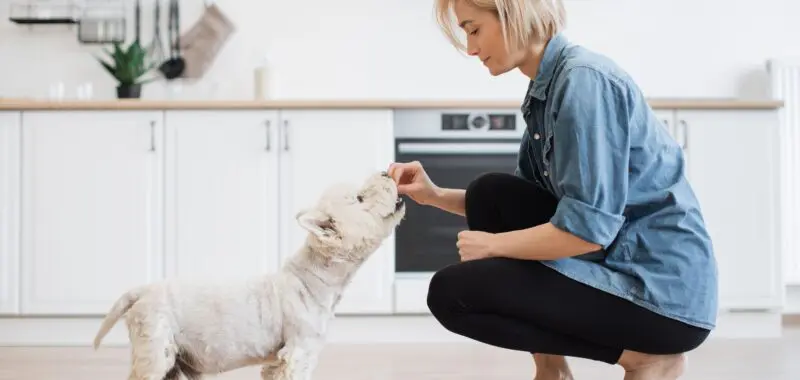
Choose snacks that are easy to carry and not too messy. Keep them in a sealed pouch or small container so they do not spill inside your bag. Many owners like to keep Dog Treats close by during travel because they are useful for rewarding good behaviour, helping with recall, and making unfamiliar situations feel more positive.
Avoid giving too many snacks during the journey, especially if your dog gets car sick. Small amounts are usually better than frequent heavy feeding while on the move.
Bring Plenty of Water
Water is one of the most important things to pack, especially for car trips, beach visits, hikes, and warm weather. Do not assume water will always be available when you need it. Carry enough for the journey and refill whenever possible.
A collapsible bowl or travel bottle makes it easier to offer water during stops. Some dogs refuse to drink from unfamiliar bowls, so bringing their regular water bowl can also help.
Offer water before leaving, during breaks, and after walks. If your dog is panting heavily, tired, or spending time in the sun, encourage short water breaks more often.
Make the Car Comfortable and Safe
Car safety should be planned before the trip begins. Dogs should not move freely inside the vehicle because sudden stops can be dangerous. Use a dog seat belt, travel crate, car harness, or secured carrier depending on your dog’s size and comfort level.
A blanket or seat cover can protect the car from hair, mud, and scratches. It also gives your dog a familiar surface to sit or lie on.
If your dog is nervous in the car, take a few short drives before the weekend trip. This can help them become more comfortable with travel. Avoid feeding a large meal right before leaving if your dog is prone to motion sickness.
Plan rest stops for longer drives. Let your dog stretch, sniff, drink water, and go to the toilet. A calm break can make the journey easier for both you and your dog.
Pack Bedding That Smells Like Home
A familiar blanket or bed can make a new place feel less strange. Dogs are comforted by familiar scents, so bringing bedding from home can help them settle faster.
Do not wash the blanket right before the trip unless necessary. A blanket that smells like home can be more reassuring than one that is freshly cleaned.
If space is limited, pack a smaller mat or blanket instead of a full bed. The key is to give your dog a clear resting spot. This also helps protect furniture in hotels, holiday homes, or family houses.
Once you arrive, place the bedding in a quiet corner where your dog can relax without being disturbed.
Do Not Forget Cleaning Supplies
Travelling with a dog can get messy. Muddy paws, wet fur, shedding, food spills, and accidents can happen, especially in unfamiliar places. A small cleaning kit can save a lot of trouble.
Useful cleaning items include:
- Old towel
- Pet-safe wipes
- Waste bags
- Small roll of paper towel
- Lint roller
- Stain remover suitable for pet mess
- Extra blanket or seat cover
If you are staying in rented accommodation, cleaning up quickly is important. It shows respect for the property and reduces the chance of extra cleaning charges.
A towel is especially useful after beach walks, rainy weather, muddy tracks, or swimming.
Check Accommodation Rules Before Leaving
Not all pet-friendly accommodation has the same rules. Some places allow dogs but only in certain rooms. Others may have size limits, breed restrictions, extra cleaning fees, or rules about furniture and outdoor areas.
Before travelling, check the property’s pet policy carefully. Find out whether your dog can be left alone in the room, whether there are secure outdoor areas, and whether nearby walking spaces are available.
It is also worth checking if there are stairs, balconies, slippery floors, or other features that may affect your dog. This is especially important for older dogs, anxious dogs, or dogs with mobility issues.
Prepare for Walks and Outdoor Time
A weekend away often includes more walking than usual. You may visit parks, walking trails, beaches, markets, or outdoor cafes. Pack items that make these outings easier.
Bring a sturdy lead, spare waste bags, water, snacks, and a towel. If you plan to walk at night or early morning, reflective gear or a small light can help keep your dog visible.
For beach trips or hiking, check local rules. Some beaches and parks have leash requirements, seasonal restrictions, or areas where dogs are not allowed. Knowing this in advance prevents last-minute problems.
If your dog is not used to long walks, avoid doing too much too soon. A weekend trip should be enjoyable, not exhausting.
Keep Identification Updated
Before any trip, check your dog’s ID tag and microchip details. If your dog gets lost in an unfamiliar area, current contact information is essential.
The collar tag should include your phone number. If possible, use a number that will be active during the trip. If your dog is microchipped, make sure the registered details are up to date.
It is also useful to keep a recent photo of your dog on your phone. Most people already have one, but choose a clear image that shows your dog’s face, body shape, and markings.
Pack Medication and Health Items
If your dog takes regular medication, pack enough for the full trip plus extra. Keep medication in its original packaging if possible, especially if dosage instructions are important.
You may also want to carry basic health items such as flea and tick protection, a small first-aid kit, and any supplements your dog normally uses. For dogs with allergies, sensitive stomachs, anxiety, or medical conditions, planning is even more important.
Before travelling to a new area, especially rural or coastal locations, consider whether ticks, insects, heat, or local plants may be a concern.
Help Your Dog Settle After Arrival
Once you reach your destination, give your dog time to explore calmly. Show them where their bed, water, and food will be. Take them outside for a toilet break before unpacking fully.
Try not to overwhelm your dog immediately with too much activity. Some dogs need time to adjust before they feel comfortable. Keep the first hour relaxed and predictable.
Maintain familiar routines where possible. Feed at the usual time, use the same commands, and give your dog a quiet place to rest.
A Little Planning Makes the Trip Easier
Travelling with your dog can be enjoyable when you are prepared. The right packing list helps prevent common problems and keeps your dog comfortable in a new environment.
Food, water, bedding, safety gear, cleaning supplies, and familiar items all play an important role. With the basics covered, you can focus more on enjoying the weekend and less on solving avoidable issues.
A short trip can become a great experience for both owner and dog when comfort, routine, and safety are planned from the start.


